
GPPS (General Purpose Polystyrene) is one of the world’s most widely used transparent thermoplastics, valued for its exceptional clarity, rigidity, easy processability, and cost-effectiveness. It is extensively used in food packaging, laboratory equipment, consumer products, and disposable containers where optical transparency and dimensional stability are essential.
Whether you are an engineer selecting the right material, a manufacturer optimizing production, or a procurement manager searching for a reliable supplier, understanding the properties and applications of GPPS is critical for making informed decisions.
In this comprehensive guide, you’ll learn what GPPS is, how it is manufactured, its key mechanical and thermal properties, common applications, advantages and limitations, comparisons with other transparent plastics, available GPPS grades, pricing factors, and how to choose a trusted GPPS supplier for international markets.
GPPS GRADES
| GRADE | PRODUCER | MFR (gr/10 min) | VICAT SOFTENING POINT (°C) | DATASHEET |
|---|---|---|---|---|
| GPPS 1028 | MASHREGH ZAMIN | 2.4 | 102 | download |
| GPPS 1038 | MASHREGH ZAMIN | 3.1 | 101 | download |
| GPPS 1034 | MASHREGH ZAMIN | 3.1 | 90 | download |
| GPPS 1084 | MASHREGH ZAMIN | 8 | 91 | download |
| GPPS 1233 | MASHREGH ZAMIN | 23 | 85 | download |
| GPPS 1047 | MASHREGH ZAMIN | 4.2 | 100 | download |
| GPPS 1077 | MASHREGH ZAMIN | 7 | 100 | |
| GPPS 1067 | MASHREGH ZAMIN | 5.5 | 100 | download |
| GPPS 1115 | MASHREGH ZAMIN | 11 | 91 | download |
| GPPS 1144 | MASHREGH ZAMIN | 14 | 92 | download |
| GPPS 1160 | TABRIZ | 2.5 | 105 | download |
| GPPS 1460 | TABRIZ | 6.5 | 103 | download |
| GPPS 1540 | TABRIZ | 11 | 91 | download |
| G 1161 | TAKHTE JAMSHID | 4 | 104 | download |
| G 1551 | TAKHTE JAMSHID | 9 | 98 | download |
| MP08 | MOHEB | 11 | 105 | download |
| G 3160 | JAM | 2-3.5 | >104 |
What Is GPPS?
Definition and Meaning: What is GPPS Plastic?
GPPS (General Purpose Polystyrene) is an unmodified transparent amorphous thermoplastic polymer. It is a base polystyrene GPPS material without rubber modified, therefore has high stiffness and excellent optical clarity properties but relatively low impact strength compared to High Impact Polystyrene (HIPS).
GPPS resin is one of the most widely traded transparent polymer raw materials in the global plastics industry. Supplied primarily in pellet form, GPPS granules are processed into a wide range of rigid plastic products using injection molding, extrusion, and thermoforming technologies. Thanks to its excellent optical clarity, dimensional stability, and low production cost, GPPS material remains a preferred choice for manufacturers worldwide.
The Evolution of General Polystyrene
It was in the 1930s that general purpose polystyrene was commercialized on a large scale. GPPS is lighter and lower cost than glass and can be shaped more easily and not break as readily, favoring its use in food packaging, labware and a variety of transparent consumer products.
Chemical Composition and Structure of the GPPS Polymer
The chemical structure of GPPS makes it unique by providing a balance of clarity, rigidity and brittleness.
The Styrene Monomer and Polymerization
The chemical formula of GPPS is C8H8C8H8. In polymerization these styrene molecules link together to form a long chain of polymer, namely the polystyrene GPPS polymer backbone. GPPS is very rigid and glass-like because each repeat unit has a bulky phenyl group attached to the chain, thus preventing free rotation of the chain.
Amorphous Morphology: The Secret to Optical Clarity
General purpose polystyrene is an amorphous plastic, a plastic whose molecules don’t have a crystal structure. The GPPS plastic material does not exhibit large crystals; so, light is able to pass through it with little scattering, which allows for high light transmittance (approximately 90%), resulting in a clear, glassy transparency ideal for clear packaging and display items.
Key Properties of General-Purpose Polystyrene
Here are some of the main properties of general purpose polystyrene:
Mechanical and Physical Properties: GPPS Density and Rigidity
GPPS is recognized for its high stiffness, hardness and load dependent dimensional stability. The density of a typical GPPS is approximately 1.04–1.05 g/cm³, which makes it lighter than glass, but heavier than some commodity plastics, so providing a sense of solidness while minimizing weight in packages. The Matchup of GPPS grades with processes is done by using Melt Flow Index (MFI) or Melt Flow Rate (MFR): Low MFI grades are appropriate for extrusion and thermoforming, whereas medium to high MFI grades are suitable for thin wall GPPS plastic products injected. MFI is an inherent property of the polymer and not a property of the product.
Thermal Properties: GPPS Melting Point and Glass Transition
GPPS has a glass transition temperature (Tg) of about 100°C, where it changes from a rigid glassy state to a rubber-like state. As an amorphous polymer, GPPS has no true melting point and is typically processed at 200–250°C by extrusion or injection molding. Unlike PET and polycarbonate, GPPS is essentially non-hygroscopic and usually does not require pre-drying before processing.
Chemical Resistance and Electrical Insulation
GPPS offers good water resistance, making it suitable for food packaging and basic laboratory products. It also resists many salts and weak acids and provides good electrical insulation under dry conditions. However, GPPS has poor resistance to many organic solvents, which can cause stress cracking or dissolve the material.
The Production Process: Creating GPPS Granules
The knowledge of the manufacturing process of GPPS granules can assist buyers in making better decisions about the quality and consistency of the material.
Synthesis: Mass and Suspension Polymerization
The production of most of the general purpose polystyrene is carried out by continuous mass (bulk) polymerization of styrene monomer. Styrene is polymerized in this process in a large, controlled reactor under controlled conditions of temperature, residence time and the amount of initiator used to obtain the desired molecular weight and low levels of residual styrene.
Processing into GPPS Granules for Manufacturing
After polymerisation, the molten polystyrene GPPS polymer is dried, pressed through a die, cooled and divided into equal GPPS granules (pellets). The typical form distributed for converters and GPPS manufacturers that do injection molding, extrusion and thermoforming, is these clear glassy granules. The uniformity of the pellets and their low moisture content help to maintain process stability and reproducible mechanical and optical characteristics of the resulting.
GPPS raw material is typically supplied as transparent pellets packed in 25 kg bags or jumbo bags for industrial processing and international export. Depending on customer requirements, manufacturers and suppliers may offer different packaging options suitable for injection molding, sheet extrusion, and thermoforming production lines.
Major GPPS Application Areas and Products
Due to its transparency, rigidity and low price, GPPS is employed in many common goods.
What is GPPS Used For?
Food Packaging and Clear Disposables
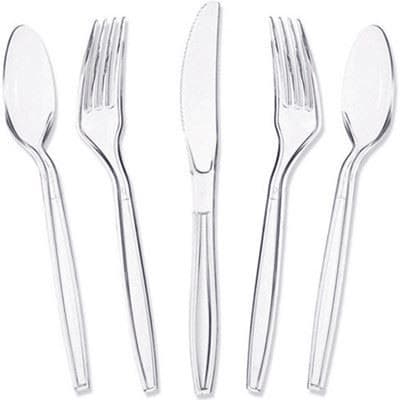
GPPS is commonly employed to make transparent food packaging applications, where visibility of the product matters, such as bakery clamshells, salad containers, portion cups, disposable tumblers and lids. These GPPS plastic food packaging products are made from virgin food grade general purpose polystyrene and are suitable for direct food contact and do not impart odor or taste to the food.
Medical & Laboratory Equipments
In the medical/ laboratory sector, GPPS can be used for Petri dishes, test tubes, pipettes, microplates and other single use laboratory consumables. The high clarity of GPPS enables technicians and scientists to view samples, cultures and chemical reactions through the walls of the container. Due to the ability to use common sterilization processes like gamma irradiation or ethylene oxide (EO), general polystyrene is a trusted material for in vitro diagnostics (IVD) and disposable devices.

Consumer Goods, CD Cases and Displays
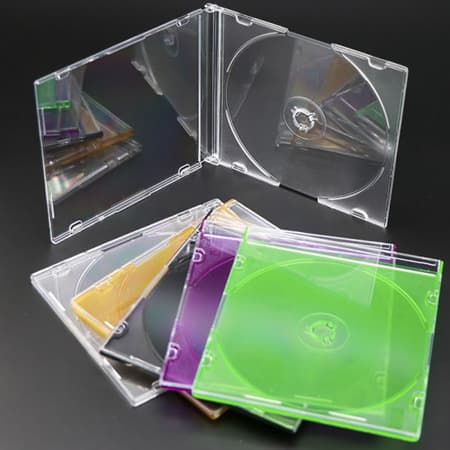
General polystyrene is also used in consumer items like CD/DVD jewel cases, cosmetic and personal care packaging, stationery items, toys, and point of purchase displays.
Today, GPPS resin is extensively used by packaging manufacturers, thermoforming companies, injection molders, medical equipment producers, and consumer goods manufacturers. Its combination of transparency, rigidity, easy processing, and competitive pricing makes GPPS one of the most versatile materials for high-volume plastic production.
Need a Reliable GPPS Supplier?
Whether you need GPPS for food packaging, laboratory products, consumer goods, or industrial applications, Shobeir Shimi supplies a wide range of Iranian GPPS grades with reliable export services, technical support, competitive pricing, and fast international delivery.
Contact our sales team today to receive the latest GPPS price, available grades, technical data sheets, and export quotation.
Advantages and Disadvantages of GPPS Material
While GPPS is not a perfect solution, it can sometimes be better than other solutions in the right applications.
The advantages of GPPS polystyrene
The key advantages of polystyrene GPPS are its extremely low cost, excellent optical clarity and high rigidity. Compared to other materials, GPPS is easy to flow in a mold, enabling the creation of thin wall parts and fine details. In most cases, the ease of transparency, gloss, and dimensional stability outweighs the high impact strength.
Major Disadvantages: Brittleness and UV Degradation
The biggest drawback of GPPS is its brittleness; parts can crack or shatter under impact or stress, especially at low temperatures. General polystyrene will also not stand up well to long-term exposure to UV, and can yellow, crack on the surface, and embrittle in outdoor use. Furthermore, GPPS is flammable and can be ignited easily, but has to be protected either by using flame resistance additives or by using in protected environments.
Comparing GPPS to Other Clear Plastics
By comparing GPPS with other transparent materials you can determine which polymer is best suited for each project.
| Material | Clarity | Impact strength | UV resistance | Typical cost level | Typical use case |
|---|---|---|---|---|---|
| GPPS (General polystyrene) | Very high | Low (brittle) | Poor | Very low | Food packaging, labware, disposable items |
| HIPS | Opaque/low | High | Poor–medium | Low | Toys, housings, impact resistant parts |
| Acrylic (PMMA) | Excellent | Medium | High | Medium–high | Displays, lighting, outdoor signage |
| Polycarbonate (PC) | Very high | Very high | Medium | High | Safety glazing, impact resistant components |
| SAN | High | Medium | Medium | Medium | Kitchenware, durable clear technical parts |
GPPS vs HIPS: The Styrenic Trade-off
Both GPPS and HIPS (High Impact Polystyrene) are based on styrene, but they are quite different. GPPS is clear, hard and brittle whereas HIPS has rubber particles added to it which dramatically increase impact resistance, but at the cost of making the material is at least translucent. GPPS material is usually preferred for applications requiring transparency and gloss, while HIPS is preferred in those that require greater toughness and impact strength over transparency.
GPPS (green) vs Acrylic (PMMA) and Polycarbonate (PC)
GPPS is less optically clear than Acrylic (PMMA) and has significantly inferior UV resistance, but is significantly cheaper and easier to process in high volume disposable products. Polycarbonate (PC) is much more expensive than general purpose polystyrene, it is extremely difficult to dry it before processing, but is very strong and can resist high temperatures and heavy loads. GPPS is often used for transparent packaging for short-life, disposable or price-sensitive applications, whereas Acrylic and PC are typically selected for premium, durable packaging applications.
GPPS vs SAN (Styrene Acrylonitrile)
Another clear styrenic polymer, inbetween GPPS and SAN, is Styrene Acrylonitrile (SAN). SAN is more resistant to chemicals, has greater heat resistance and is tougher than general polystyrene, but has good clarity. Often engineers will choose to shift from GPPS to SAN when they require a material that is up from GPPS in terms of material properties, but still easy to process and is transparent enough to withstand more stringent cleaning chemicals or higher service temperatures.
Sourcing and Market Dynamics
Global GPPS Market
The global GPPS market continues to grow due to increasing demand from the packaging, healthcare, consumer goods, and electronics industries. Its combination of optical clarity, low production cost, and ease of processing makes GPPS one of the most widely consumed styrenic polymers worldwide. Demand is particularly strong in Asia-Pacific, the Middle East, and emerging manufacturing economies.
Major GPPS Producers Worldwide
GPPS is manufactured by numerous petrochemical companies around the world. Major producers include companies in South Korea, Taiwan, China, Europe, and the Middle East. These manufacturers offer a wide range of injection molding, extrusion, and thermoforming grades designed for different industrial applications.
Iranian GPPS Production
Iran has become an important regional supplier of GPPS resin thanks to its integrated petrochemical industry and reliable feedstock availability. Iranian producers manufacture various GPPS grades suitable for packaging, disposable products, laboratory equipment, and household applications, supplying both domestic and international markets.
Export Markets
Iranian GPPS is exported to many countries across the Middle East, Central Asia, CIS countries, Africa, and neighboring regions. Competitive pricing, stable production, and flexible logistics have made Iranian GPPS an attractive option for international buyers seeking reliable raw materials.
For buyers and procurement teams, understanding pricing and supply is as important as understanding properties.
Evaluating General Purpose Polystyrene Prices
General purpose polystyrene prices are closely linked to the cost of styrene monomer, which itself depends on crude oil and energy prices. Market factors like regional supply and demand, production outages, and logistics costs also influence GPPS prices month by month.
Finding Reliable GPPS Manufacturers and Suppliers
A good GPPS supplier should provide consistent quality, traceability, and technical support. When evaluating GPPS manufacturers, look for ISO‑certified plants, clear data sheets, and the ability to supply specific grades such as high‑flow injection grades, extrusion grades, or FDA‑compliant food‑contact GPPS material. Reliable GPPS suppliers will also help you match the right GPPS density, MFI, and additive package to your process and end‑use requirements.
Partner with a Trusted GPPS Supplier
GPPS continues to be one of the world’s most widely used transparent thermoplastics thanks to its excellent optical clarity, rigidity, ease of processing, and cost efficiency. Selecting the right GPPS grade and a reliable supplier can significantly improve product quality and manufacturing performance.
Shobeir Shimi supplies a wide range of Iranian GPPS grades for injection molding, extrusion, and thermoforming applications. Our experienced export team provides competitive pricing, stable supply, technical documentation, and reliable logistics for customers worldwide.
Contact us today to request the latest GPPS price, available grades, technical data sheets, or a customized export quotation.
Whether you are looking to buy GPPS resin, compare different GPPS grades, request the latest GPPS price, or source reliable GPPS raw material for international export, working with an experienced supplier ensures consistent quality, competitive pricing, and dependable supply. Shobeir Shimi is committed to helping customers select the right GPPS grade for their application while providing professional export support and technical assistance.
Why Choose Shobeir Shimi?
Choosing the right GPPS supplier is just as important as selecting the right material. Shobeir Shimi has years of experience supplying Iranian petrochemical products to international customers and provides complete technical and commercial support throughout the purchasing process.
We offer:
- Wide selection of Iranian GPPS grades
- Stable supply from leading petrochemical producers
- Competitive export pricing
- Technical consultation for grade selection
- COA, TDS, and quality documentation
- Flexible packaging options
- Worldwide export and logistics support
- Fast quotation and responsive customer service
FAQs
- Is GPPS plastic safe for food contact?
Yes, virgin GPPS plastic produced to food‑grade standards is generally approved for direct food contact in many regions.
- Can GPPS plastic products be recycled?
GPPS falls under Resin Identification Code #6 and can be mechanically recycled where suitable collection and sorting systems exist. In addition to mechanical recycling, advanced chemical recycling technologies can depolymerize polystyrene GPPS back into styrene monomer, which can then be used to make new GPPS granules, offering a potential circular solution for styrenic plastics.
- What is the difference between GPPS and EPS?
Both GPPS and EPS are based on polystyrene, but they are used in very different forms. GPPS is a solid, clear, unfoamed plastic used in rigid packaging and transparent parts, while EPS (Expanded Polystyrene) is produced by expanding polystyrene beads with a blowing agent to create a lightweight foam.