
Polystyrene (also known as polystyrene PS or PS polymer) is a popular thermoplastic polymer derived out of styrene, a liquid made of petroleum. It becomes soft at a high temperature, and becomes hard at low temperature to easily shape a large variety of products such as clear packaging material, insulation foam, etc.
Due to its stiff rigid structure and aromatic rings, polystyrene has properties which include stiffness, surface gloss, dimensional stability and electrical insulation. It is made by polymerizing and sent to be manufactured in granules and beads of expandable features.
The typical ones are GPPS (clear and brittle), HIPS (impact-resistant), EPS (lightweight foam) and XPS (high-performance insulation foam). The polystyrene comes under the Recycling Code 6 and can be recycled, if it is well processed. Continue reading to find out more details in this article from Shobeir Shimi.
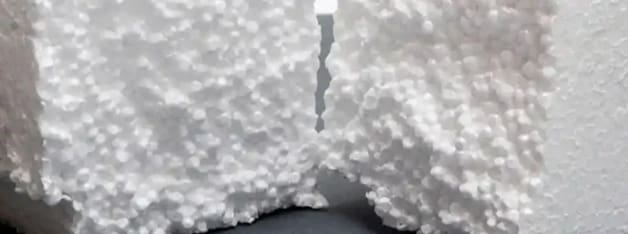
The Science of the Material Composition and Structure
What is polystyrene made of? Polystyrene structure is composed of styrene monomers, which are small molecules manufactured out of petrochemical feedstocks like ethylbenzene. At the time of production, these units of styrene combine to create very long chains. So, the polystyrene composition is essentially a chain of carbon and hydrogen atoms with a phenyl (benzene) ring attached to every other carbon after every second carbon. This polystyrene framework is referred to as an aromatic hydrocarbon polymer, and it makes much of the material significant, including stiffness, gloss, and fairly high hardness.

How is Polystyrene Made
PS is made through free radical addition polymerization, in which the styrene molecules react and form connections under controlled temperature and pressure. Depending on whether the manufacturers are focusing on general or high-impact grades as well as foam feedstock, the polymerization process can be conducted as a bulk, suspension, solution, or emulsion process. The polymer that results at the end of this process is then cut into polystyrene granules (pellets), which are melted by the processors and cast into the final products.
Technical Specifications: Physical, Chemical, and Thermal Property
To fully understand polystyrene properties, it is essential to examine its physical, chemical, thermal, and electrical characteristics in detail.
Polystyrene physical properties
Crystalline polystyrene or general purpose polystyrene (GPPS) is a clear and hard, although comparatively brittle material, with a density of approximately 1.041.06 g/cm 3. This means that despite the fact that it appears to be rigid and solid, it is a lightweight plastic as compared to most other materials. Conversely, the extended forms like EPS and XPS have plenty of air, so their effective density is low, which is why they are so light and easy to maneuver. Overall, the principal polystyrene physical characteristics are a high level of stiffness, stability of dimensions, high surface gloss, and (in GPPS) a high level of transparency.
Polystyrene chemical resistance
Polystyrene chemical resistance is good with a variety of dilute acids, bases, and alcohols. Polystyrene uses are in food packaging and certain labware. It is vulnerable to various organic solvents, including acetone, aromatic hydrocarbons, and certain chlorinated solvents, which are capable of swelling or dissolving the polymer. Due to this reason, designers do not use polystyrene plastic in situations where aggressive solvents are present in the environment in industrial or automotive fluids.
Thermal insulation properties of Polystyrene
Polystyrene thermal insulation characteristics are particularly significant in EPS and XPS foams. Is polystyrene good for wall insulation? Yes, these foams entrap air in closed cells, which make foams to have low thermal conductivity (of order 0.030 to 0.040 W/m 2 K), so they are good for building insulation and in refrigeration. Solid GPPS and HIPS are not good insulators, and when foamed, the air that is trapped within the EPS and XPS makes the same PS polymer a high-performance insulation material.
Polystyrene electrical insulation characteristics
Another factor that has made polystyrene electrical insulation properties popular is its properties as an electrical insulator. The polymer possesses a large dielectric strength, low dielectric loss, and suitable properties over normal operating temperature and humidity. This makes the polystyrene plastic a safe and reliable electrical insulator in housings, low voltage components, and in high frequency applications.
Polystyrene Varieties: GPPS, HIPS, EPS, and XPS
Polystyrene is available in a number of major forms. Here are the types of polystyrene:
1. General polystyrene (GPPS)
This is the most generic, general-purpose polystyrene when individuals just refer to polystyrene PS. It is hard, clear, and shiny, and is brittle to be used in packaging transparent products, disposable cups, CD/DVD cases, and other lab consumables.
2. High impact polystyrene (HIPS)
HIPS is a variant of the polystyrene plastic which includes rubber particles (usually polybutadiene) to enhance toughness and impact resistance. It is also not clear, but is dense or translucent and is applied to the housings of appliances, toys, and the shells of televisions and other objects that need to withstand impact.
3. Expanded polystyrene (EPS)
EPS is a foam that is made of expandable beads, which are already pre-expanded and then molded to provide a structure that is predominantly air. It is lightweight, cushioning, and has excellent thermal insulation. So it can be found in protective packaging, disposable containers of food, and building insulation boards.
4. Extruded polystyrene (XPS)
XPS is another type of foam; it is manufactured by extrusion, resulting in a uniform and closed-cell structure, which has greater compressive strength than many EPS grades and better thermal performance. It is commonly employed in walls, roofs, foundations, and cold storage floors where both thermal insulation and mechanical strength are high requirements.
Difference between GPPS and HIPS polystyrene
When comparing GPPS vs HIPS, the primary decision for manufacturers and engineers involves balancing visual clarity against mechanical durability. While both are thermoplastic forms of polystyrene, their internal compositions lead to distinct physical behaviors.
| Feature | GPPS (General-purpose polystyrene) | HIPS (High impact polystyrene) |
|---|---|---|
| Transparency | High – clear and glossy | Low – opaque or only slightly translucent |
| Impact strength | Low – brittle under shock | High – rubber modified for toughness |
| Typical density | Medium (~1.05 g/cm³) | Similar medium density |
| Typical applications | Clear packaging, cups, CD cases | Appliance housings, toys, casings |
| Relative cost | Slightly lower, simpler formulation | Slightly higher, rubber adds cost |
| Main trade-off | Clarity but low impact resistance | Toughness but loss of transparency |
This table makes it easy for buyers deciding between GPPS and HIPS polystyrene to balance transparency and toughness. To consult and buy polystyrene raw material, contact us now.
Where is Polystyrene Used? From Packaging to Construction
Some of the polystyrene applications and uses are:
Packaging and food service
Food trays, yogurt pots, disposable cups, and clamshell containers are made with GPPS and EPS, and protective packaging of electronics and appliances. When used properly, food-grade polystyrene plastic can be used in line with regulations, and the material has good visibility of products due to its transparency.

Construction and insulation
Polystyrene thermal insulation properties make EPS and XPS suitable for insulating walls, roof, and foundation. They are lightweight products capable of being cut and installed easily, and offer good thermal insulation properties.

Automotive Industry
PS – polystyrene is used in various automotive components due to its impact resistance and lightweight characteristics:
- Car interiors and dashboards (HIPS)
- Child safety seats (EPS)
- Impact-absorbing panels

Electronics and appliances
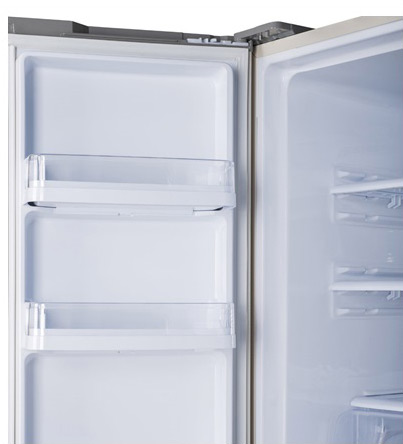
Popular HIPS is applied in TV and monitor cases, refrigerator interiors, and small appliance cases as it offers a combination of impact resistance and good electrical insulation. Solid polystyrene PS is also present in electronic parts, switch housings, and other components that need to be dimensionally stable and non-conductive.
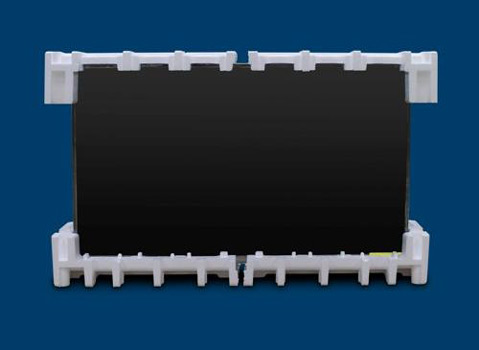
Medical and Laboratory Equipment
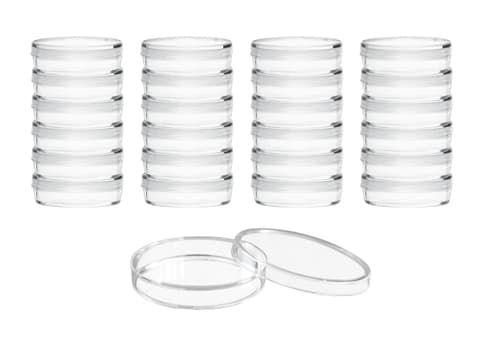
Due to its sterility and chemical resistance, polystyrene is widely used in medical and laboratory equipment:
- Test tubes and petri dishes (GPPS)
- Medical trays and diagnostic components
- Disposable labware
Food Service Industry
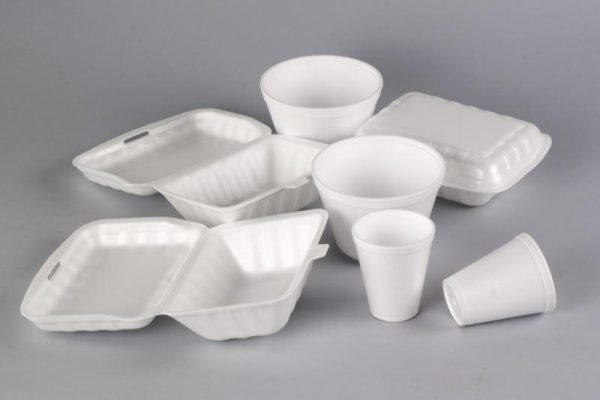
Polystyrene’s lightweight and insulating properties make it ideal for food service applications:
- Disposable cups, plates, and bowls (EPS)
- Takeout containers (HIPS and EPS)
Consumer Goods
General polystyrene or HIPS is used as the material of toys, cosmetic packaging, office supplies, disposable razors, and numerous cases and containers used in everyday life. Polystyrene PS is used here by designers due to its ease of processing, dimensional stability and cost-effective nature.
Art and Architecture
PS material is also valued in creative industries, including art and model-making:
- Sculptures and architectural models (EPS and XPS)
- Stage props and decorative elements

Polystyrene Advantages and Disadvantages
To see polystyrene advantages and disadvantages, they usually want to see both technical and environmental points.
| Aspect | Advantages | Disadvantages |
|---|---|---|
| Weight | Lightweight, especially EPS/XPS foams, reducing transport and installation costs. | – |
| Cost | Cost effective thermoplastic for high volume products. | – |
| Thermal behavior | Excellent thermal insulation in EPS/XPS for walls, roofs, and cold chain packaging. | Poor heat resistance; softens at around 70–90 °C, not suitable for long high temperature exposure. |
| Electrical behavior | Good electrical insulation, useful for electronic housings and insulators. | – |
| Processing | Highly processable and versatile (injection molding, extrusion, thermoforming, foaming). | – |
| Appearance | GPPS is transparent with high clarity and gloss for display packaging and labware. | GPPS is brittle and cracks under impact, so HIPS is needed for impact critical parts. |
| Fire behaviour | – | Flammable; can contribute to fire spread without flame retardant measures. |
| Environment | – | Environmental concerns; especially EPS “Styrofoam” contributes to visible plastic pollution. |
| Chemical resistance | – | Sensitive to many organic solvents, limiting use in harsh chemical environments. |
These pros and cons help engineers and buyers decide whether polystyrene plastic is the right choice for a specific application.
Recycling and Raw Materials
Is polystyrene recyclable? Technically, yes: polystyrene and EPS are part of the recycling code #6, in the correct conditions. They can be either mechanically or chemically recycled. But in reality, even the expanded polystyrene foam cannot be recycled using the normal household recycling processes, as it is very light, bulky, and can be easily broken into tiny fragments that pollute other recyclable products. It is the reason why the majority of curbside systems decline it, and specialized facilities can use densifiers or compactors to minimize volume and then recycle. Want to know how to buy polystyrene raw material for industrial use? Contact us at Shobeir Shimi now.

Buying Polystyrene Raw Material from Shobeir Shimi
To buy polystyrene granules, Shobeir Shimi is the best place. They are small pellets of GPPS, HIPS, EPS feedstock, or XPS formulations that could be fed into injection molding, extrusion, thermoforming, or foam-expanding machinery. Companies that want to purchase polystyrene raw material normally give their specifications (e.g. GPPS in clear packaging, HIPS in tough appliance housings, EPS in insulation boards), melt flow index, color, and any special demand like food packaging approval or flame resistance to us. Then we will send the quote with the exact price. Contact us now to get a free quote.
FAQs
- What is polystyrene, and what is polystyrene plastic?
Polystyrene is a synthetic aromatic hydrocarbon polymer composed of monomeric styrene, and it is considered a thermoplastic. It hardens on heating and becomes soft on cooling.
- What is polystyrene composed of, and how is polystyrene made?
Polystyrene is composed of styrene, which is a liquid that is primarily made out of petroleum. These molecules of styrene are polymerized in production into long chains, which are then cooled down and cut to become polystyrene granules.
- What are the key polystyrene types?
GPPS (general purpose polystyrene) is clear and brittle, HIPS (high impact polystyrene) is tougher and is opaque, EPS (expanded polystyrene) is lightweight foam, and is used in packaging and insulation, and XPS (extruded polystyrene) is a stronger closed-cell foam, only used as building insulation.
- Can polystyrene be used in the construction and insulation of walls?
EPS and XPS polystyrene are very popular in the insulation of walls, roofs, and foundations because they offer low thermal conductivity at low weight and simple installation.
- Can polystyrene be recycled, and how can its manufacturers use it more sustainably?
Polystyrene is technically recyclable and falls under recycling code #6 and it is clean and can be recycled. In the case of EPS foam, the compactors or densifiers can be utilized by manufacturers to decrease the volume and send the material to recyclers, with particular attention to the new products, instead of placing the waste PS in landfills. Contact us for more information.
conclusion
Polystyrene remains a versatile and widely used material across multiple industries, from packaging to insulation and electronics. Its applications continue to grow, thanks to its lightweight nature, cost-effectiveness, and adaptability to various uses. However, as sustainability concerns rise, research is focusing on developing more sustainable PS solutions, including improved recycling methods and the use of co-polymers to enhance its environmental footprint. Despite the ongoing debates about its environmental impact, especially concerning single-use plastic waste and microplastics, polystyrene is adapting through efforts aimed at reducing its negative effects. The material’s role in manufacturing and consumer goods will continue to evolve as industries work toward balancing its versatility with environmental responsibility, paving the way for innovative solutions.