
Polypropylene (PP) is a widely used thermoplastic polymer made from the monomer propylene (C₃H₆), with the repeating chemical formula (C₃H₆)ₙ and a molecular structure built on a carbon backbone. It is with methyl side groups that provide rigidity and chemical resistance. It is produced through catalytic polymerization processes and supplied as resin pellets for manufacturing methods such as injection molding, extrusion, and blow molding. Polypropylene is classified under Recycling Code #5 and is recyclable where appropriate collection and processing systems exist.
Polypropylene is known for its low density (~0.90–0.91 g/cm³), heat resistance, fatigue durability, moisture and chemical resistance, and electrical insulation. Polypropylene is available in several grades, including homopolymer, random and block copolymers, impact copolymer, and expanded PP (EPP). These variations enable its use across packaging, automotive parts, medical devices, textiles, and consumer goods.

What is Polypropylene?
Polypropylene (PP) is a rigid and semi-crystalline thermoplastic that is used in thousands of daily products. It is a polymer addition that is constructed of polypropylene monomer, propylene, and is a part of the polyolefin family. Polypropylene plastic can be flexible to many shapes due to its good heat resistance, low density Polypropylene as well as its easy processability. Since it is hard yet flexible, PP material is commonly referred to as the steel of plastics and one of the most commonly produced plastics, next to polyethylene.
Polypropylene (PP) and Its Application in Industry
Polypropylene is technically a thermoplastic polymer that is formed as a result of the polymerization of propylene monomers in a chain-growth manner. It is regarded as a commodity plastic, i.e. it is processed in high volumes, and finds a multitude of low-cost uses, but it has the performance to compete with a few engineering plastics. The PP plastic offers an opportunity to close the wide gap between very cheap plastics and the high-performance resins and is useful in the fields of packaging, automotive components, consumer goods, and medical products.
Polypropylene Plastic History and Classification
The initial material to develop polypropylene was done in the 1950s by the Italian chemist Giulio Natta, and this work contributed to allowing isotactic PP to be industrialized. It is categorized as a polyolefin, and so is polyethylene since its skeleton comprises nothing but carbon and hydrogen atoms. The polypropylene production has increased at a high rate since its introduction, and at present, PP is one of the most manufactured plastics in the world.
Why is Polypropylene Material So Widely Used
Polypropylene material has a special blend of low cost, low density, high mechanical strength, and high chemical resilience. It is resistant to a lot of chemicals, fatigue-resistant, and can withstand higher temperatures as compared to most of the commodity plastics. To manufacturers, this ratio of performance against cost renders PP plastic a very desirable option in the trade markets.
Chemistry of the Plastic: Polypropylene Structure
Polypropylene gives good performance due to its chemical structure and arrangement of atoms in the polymer chain. Minor modifications in the polypropylene molecular structure have a significant impact on the stiffness, transparency, toughness, and processability.
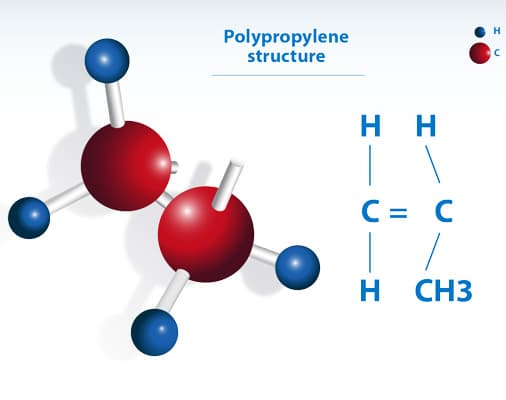
The Polypropylene Monomer: Propylene (C 3H 6 )
Propylene, which is also known as propene, is a petroleum-based and steam-cracked gas that forms the polypropylene monomer. These C 3H 6 molecules are reacted in a chain extension reaction in the manufacture of polypropylene to produce the long solid polymer chains.
Knowledge on Polypropylene Chemical Formula and Chain
The chemical formula of the basic polypropylene chemical compound is (C3H6)n(C3H6)n, implying that there are numerous propylene molecules connected in one chain. It is made up of a backbone of carbon atoms, and all other carbon atoms have a methyl group (CH 3). This is what makes the polypropylene formula unique compared to polyethylene, where the side of methyl is absent.
Polypropylene Molecular Structure and Tacticity(Isotactic, Syndiotactic, Atactic)
Tacticity refers to the way the methyl groups are arranged on the chain and is also important to the polypropylene structure. In isotactic PP, the methyl groups are on only one side, thus making the chains pack well, resulting in a highly crystalline and strong plastic. Syndiotactic PP has the methyl groups distributed regularly (alternating sides) and the atactic, which is softer, amorphous, and nearly gummy.
Important Properties and Characteristics of Polypropylene
Mechanical, thermal, and chemical polypropylene properties are the common criteria used by engineers when choosing a material.
Mechanical and Physical Material Characteristics of PP
Polypropylene is a semi-crystalline semitransparent plastic possessing good stiffness but low strength, and has a typical tensile strength ranging between 30-40 MPa with some grades and formulations. Its Young modulus normally lies between an approximate of 1300 and 1800 N/mm 2, indicating its stiffness as compared to most other commodity plastics. Good impact resistance is also a characteristic of PP material, particularly the copolymer grades, at room temperature.
Polypropylene Density vs. Other Plastics (Comprehending PP Density)
Polypropylene (PP) has a very low density compared to many common plastics. Here are more details:
| Material | Density (g/cm³) | Behavior in Water | Key Implications |
|---|---|---|---|
| Polypropylene (PP) | 0.90 – 0.91 | Floats | Lightweight, ideal for low cost packaging and automotive components |
| PET (Polyethylene Terephthalate) | ~1.37 – 1.40 | Sinks | Strong and clear, widely used for beverage bottles |
| PVC (Polyvinyl Chloride) | ~1.38 – 1.45 | Sinks | Rigid or flexible, common in pipes and construction |
Melting Point and Thermal Resistance
Polypropylene is comparatively high-melting as a commodity plastic, reaching 160 to 170 oC in temperature, depending on the grade. This enables the use of PP plastic as hot fill food packages, dishwasher safe, and certain autoclave-sterilizable medical products.
Resistance and Durability to Chemicals
Polypropylene plastic demonstrates excellent resistance to most acids, alkalis, and organic solvents, and that is why it is used in chemical tanks, pipes, and packaging purposes. It is also very fatigue-resistant. The moisture, mould, and most of the bacteria are not allowed to enter the PP material, which allows products to have a longer lifespan in an unfavorable environment.
Polypropylene Production and Manufacturing
The process of producing polypropylene involves large-scale industrial processes in the conversion of gaseous monomer into resin pellets in solid form.
The Process of Polypropylene Production (Polymerization Process)
In gas phase or bulk phase reactors, under conditions of control, propylene monomer is polymerized at controlled temperature and pressure. Through polymerization, the monomer units are combined into long chains with the help of catalysts, and the chains are cooled down, pelletized, and sold as PP material to be further processed.
Catalysts (Ziegler Natta, Metallocene) in Production
The catalysts based on Ziegler-Natta have also been extensively employed to control the stereoregularity and tacticity of polypropylene chains with the ability, in particular, to produce the isotactic form of polypropylene, but more recently, the use of metallocene catalysts has provided the ability to control molecular weight distribution and structure at the finest level to generate polypropylene grades with specific performance.
Treatment of PP: Injection Molding and Extrusion
The PP plastic can be processed using conventional processing procedures, like injection molding, blow molding, extrusion, and thermoforming. Its melt flow rate (MFR) can be manipulated to thin-wall packaging, thick technical components or fibers and films, and thus, the PP material is highly versatile to manufacturers.

Grades and Varieties of Polypropylene (PP)
Various grades of polypropylene exist in order to satisfy various performance requirements.
1. Homopolymer Polypropylene (H-PP)
The most common, general-purpose grade of homopolymer PP is produced only by using propylene monomer. It is fairly rigid, heat-resistant, and can be used in such applications as pipes, containers, and household.
2. Copolymer Polypropylene (Random and Block Copolymer)
There is an addition of ethylene to the polypropylene structure to form the copolymer. Random copolymer PP is more transparent and has higher impact resistance in low temperatures, which are suited for transparent packaging. PP is a block copolymer that consists of blocks high in ethylene to significantly enhance impact strength and is thus suited to more technical requirements.
3. Impact Copolymer and Expanded Polypropylene (EPP)
Impact copolymer PP has a higher content of rubbery phases to absorb shock, and it is typically used in automotive components and industrial enclosures. Expanded Polypropylene (EPP) is a foam created by using PP beads, which have low density, energy absorption, and are good thermal insulators of bumpers, helmets, and other protective packaging.
Polypropylene Major Uses and Applications
The applications of polypropylene are many and include both common household wrappings and technical use.
Packaging and Containers Everyday Polypropylene Products
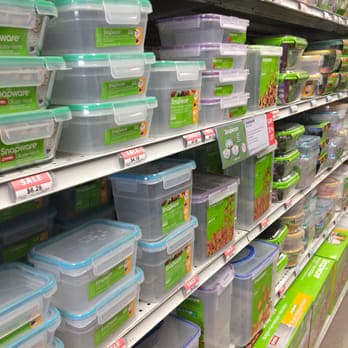
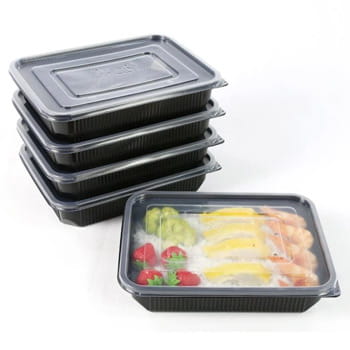
Food packaging P.P. material is extensively utilized in such food packaging packages as yogurt cups, bottle tops, margarine tubs, and microwave-safe containers. It is selected due to the fact that PP plastic is portable, free of moisture, and is mostly in line with food contact laws in most countries.
Car parts manufactured using PP Plastic
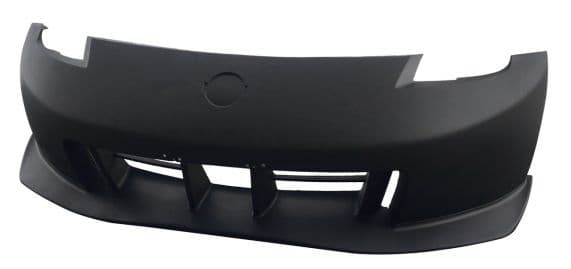
The automotive manufacturers make use of PP plastic in bumpers, interior trim, dashboards and under-the-hood parts. The high density of the p-p is low, which contributes to less weight of the vehicle, which increases its fuel economy and the ability of the vehicles to be light. Impact modified PP grades also offer safety parts and an energy absorbing effect
Medical and Lab Equipment
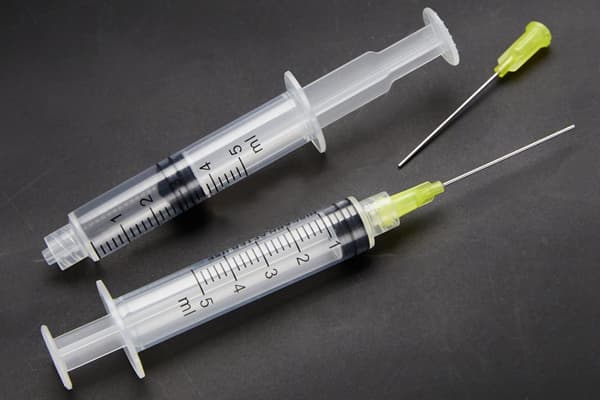
Polypropylene is also used in the medical industry in syringes, vials, labware, and even in disposable instruments. Some grades of PP material can be autoclave sterilized, and its chemical resistance enables working with different reagents.
Textiles, Fibers, and Carpeting
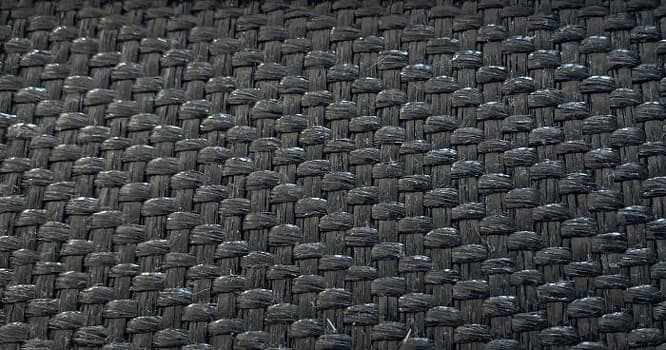
Polypropylene could be extruded into fibers to be utilized in bags, ropes, rugs, geotextiles, and thermal clothing. It can be used with carpets and outdoor textiles since it has low moisture absorption and staining resistance.
Polypropylene Advantages and Disadvantages
In choosing materials, one should consider the benefits and the drawbacks of polypropylene.
Key Advantages: Why Industries Choose Polypropylene
The major strengths of the PP material are low density, low cost, high chemical resistance, and fatigue resistance. It is good in toughness, can be applied in living hinges, and has a high ratio of stiffness and flexibility. In most applications, polypropylene properties will be good enough at a substantially reduced cost compared to high end engineering plastics.
Shortcomings and Drawbacks of PP Material
PP plastic has limitations, although it has strengths. It can decay in the UV light and it often needs stabilizers in outdoor applications or in the form of a coating. Poor adhesion of polypropylene to paints and a variety of adhesives due to low surface energy also makes polypropylene more difficult to print or to glue without a surface treatment. Moreover, PP is combustible and could require flame-retardant additives under some applications.
Polypropylene Sustainability and Recyclability
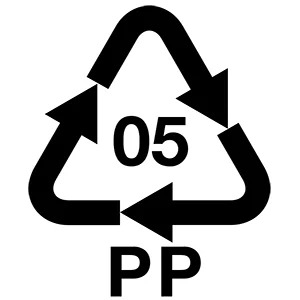
Polypropylene plastic is mostly recyclable and has Recycling Code #5 in most of the systems. However, the recycling of PP is usually lower in comparison with PET since not all regions have developed collection and sorting systems. Properly recycled, PP material can be reused for non-food packaging, automobile parts, and in numerous industrial products.
Comparing Polypropylene Material with Other Polymers
This section helps you understand how PP compares with other common plastics.
| Feature | Polypropylene (PP) | Polyethylene (PE) | Polystyrene (PS) | PVC | Nylon (Polyamide) |
|---|---|---|---|---|---|
| Typical density | ~0.90–0.91 g/cm³ | ~0.92–0.96 g/cm³ | ~1.05 g/cm³ | ~1.3–1.4 g/cm³ | ~1.1–1.15 g/cm³ |
| Heat resistance | Higher than PE | Lower than PP | Moderate | Good but plasticized grades soften | High, especially engineering grades |
| Toughness/impact | Good, especially copolymers | Very good, especially LDPE | Brittle | Moderate to good | Very good |
| Flexibility | Medium | Often higher, especially LDPE | Low | Depends on plasticizer | Lower, more rigid |
| Food contact suitability | Widely used, often preferred | Widely used | Limited for some uses | Often restricted due to additives | Used but less common for packaging |
Polypropylene versus Polyethylene (PE)
Polyethylene (HDPE and LDPE) is usually softer, needs more heat resistant materials compared to polypropylene. PE is harder and more pliable, thus more applicable in films and bags, whereas PP would be more applicable when higher temperature and rigidity are required.
Polypropylene against Polystyrene (PS) and PVC
Polypropylene products are less brittle and more impact resistant when compared with Polystyrene (PS), but PS is clearer. PVC is good chemically and weather resistant, but typically contains plasticizers and chlorine-based additives, whereas PP plastic has no chlorine and is commonly regarded as safer when it comes to a wide variety of food contact applications.
Polypropylene vs. Nylon (Polyamide)
Polyamide (Nylon) is also tougher and more resistant to wear and is more applicable in high load-bearing components; however, this material absorbs water and is subject to change of size under humid conditions. Polypropylene is hydrophobic and not sticky to water, but the mechanical strength of polypropylene is less than that of most engineering nylons.
Purchasing Polypropylene (PP) from Shobeir Shimi
Shobeir Shimi will help you to choose the correct grade of PP plastic in terms of density, melt flow rate, and the application needs. You can use homopolymer PP, impact copolymer, auto parts, or packaging special grades that are available in consistent supply, technical support, and stable quality by collaborating with a our well-educated staff. Do not hesitate to call us now to place your order.
FAQ
- Can polypropylene plastic be used to store food?
Food grade polypropylene plastic has been accepted to be in contact with food in many parts and it is used in containers, caps, and packaging. PP is usually BPA free and it is capable of withstanding moderate heating so most of the microwave safe food containers are manufactured of PP.
- What are the differences between PP and plastic?
Plastic is a very broad phrase that describes a wide variety of synthetic polymers, whereas polypropylene (PP) is a single polymer in the family of plastics. When the product has PP on it, it is a product that is done using polypropylene material but not any plastic.
- Does polypropylene resist water?
Yes, polypropylene is waterproof in effect due to the fact that it adsorbs very little water, usually less than 0.1 by weight. This water resistance characteristic of PP structure makes it suitable to package, fabrics and constituents that cannot tolerate moisture.
- What is the specific gravity or density of poly propylene?
Polypropylene density ranges from 0.905 g/cm³ (905 pounds/ft 3) which is approximately the specific gravity of polypropylene of most grades which lies between 0.90-0.91. Due to the low density of PP compared to water, the PP plastic floats.
- What are the polypropylene uses?
Polypropylene is used in such common products as yogurt cups, bottle tops, storage boxes, pipes, automotive bumper, interior trim, syringes, laboratory equipment, fibers, and carpets. Contact us noe to place your order.
conclusion
Polypropylene (PP) stands as a vital material in modern manufacturing, offering a unique balance of low density, chemical resilience, and thermal stability. By bridging the gap between basic commodity plastics and high-performance resins, PP has become indispensable for everything from lightweight automotive components to sterile medical instruments and food-safe packaging.
As industries prioritize cost-effective and recyclable solutions, the versatility of PP—available in homopolymer, copolymer, and specialized impact grades—ensures its continued dominance in the global market. Its “Code 5” recyclability further supports its role in a sustainable, resource-efficient future.
Choosing the optimal grade and melt flow rate is critical for your project’s success. At Shobeir Shimi, our team provides high-quality resin supplies and technical expertise to meet your specific manufacturing needs.
Contact Shobeir Shimi today to consult with our staff and place your order for premium Polypropylene grades.