
High-Density Polyethylene (HDPE) is one of the most ubiquitously employed plastics in the modern world. You likely interact with it dozens of times a day—from the milk jug in your refrigerator and the shampoo bottle in your shower to the sturdy HDPE pipe networks running beneath your city streets. But as global awareness regarding plastic safety, hormonal disruptors, and environmental persistence grows, a critical question arises for conscientious consumers: Is HDPE toxic?
The short answer is no—HDPE is widely considered non-toxic to humans under normal usage conditions. It is chemically inert, does not contain Bisphenol A (BPA), and is a gold standard for food contact packaging. However, the answer becomes more nuanced and complex when considering extreme heat (which can induce the release of toxic fumes) and its long-term environmental impact (specifically its breakdown into microplastics).
This article provides a comprehensive safety breakdown, exploring its chemical properties, health effects during use, reaction to thermal stress, and its complex environmental footprint.
What is High-Density Polyethylene (HDPE)?
HDPE (High-Density Polyethylene) is a thermoplastic polymer derived from petroleum. It is easily identified by the #2 recycling symbol (a triangle with a ‘2’ inside).
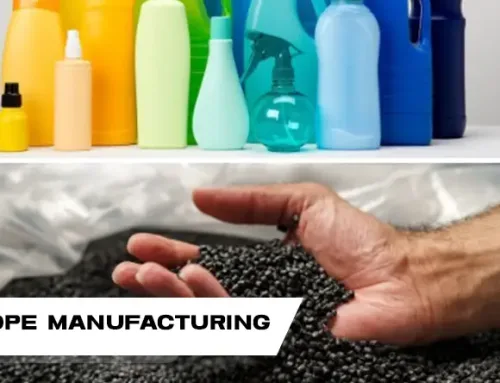
In the context of HDPE Manufacturing, what sets this material apart is its molecular architecture. It is defined by a linear molecular structure with very little branching. Imagine a dense forest where trees grow straight up and packed closely together—this is HDPE. This tight packing allows the polymer chains to align in a crystalline structure, resulting in a high strength-to-density ratio.
This structural integrity makes HDPE significantly more durable, rigid, and chemically resistant than its counterpart, Low-Density Polyethylene (LDPE), which has a branched structure that prevents tight packing (think of a messy bush). Unlike some other plastics that are naturally brittle and require dangerous additives (plasticizers) to become useful, HDPE’s unique structure allows it to be tough, flexible, and chemically inert without the need for toxic additives like phthalates or heavy metals.
Is HDPE Toxic to Humans?
As mentioned above, under normal environmental conditions, High-Density Polyethylene is considered biologically inert and safe for human use. Its stability means it does not readily react with other chemicals or biological tissues.
1. Direct Contact and Skin Safety
Is HDPE toxic to touch? No. Research and decades of industrial use confirm that HDPE does not leach harmful chemicals through the skin (dermal absorption). It is non-reactive and stable, meaning it does not emit harmful volatile organic compounds (VOCs) or irritants through casual contact. This inherent safety profile makes it the material of choice for high-contact items, particularly for vulnerable populations:
- Children’s toys: Because it withstands chewing and impact without shattering or releasing toxins.
- Playground equipment: Slides and climbing structures that endure intense sun and physical contact.
- Household furniture: Tables and chairs that require durability without chemical off-gassing.
- Medical Prosthetics: Due to its biocompatibility, it is even used in some external medical devices.
2. Food Safety (FDA Compliance)
One of the most frequent inquiries we receive is: is high density polyethylene food safe? The answer is yes. HDPE is widely recognized as food-safe by major regulatory bodies, including the U.S. Food and Drug Administration (FDA), Health Canada, and European Union authorities. Its safety for food applications stems from two key properties: chemical resistance and low permeability.
Because it has a non-porous surface, it resists biological growth (like mold, mildew, or bacteria) and creates an effective barrier against moisture. It is the industry standard for:
- Milk and juice jugs: Preventing spoilage and contamination.
- Butter and yogurt tubs: Resisting fats and acidic contents.
- Cutting boards: Providing a surface that doesn’t dull knives and can be sanitized (though deep scratches can harbor bacteria, the plastic itself is safe).
- Cereal box liners: Keeping dry goods fresh without chemical leaching.
Key Takeaway: Under standard room temperature and refrigeration conditions, “virgin” (non-recycled) HDPE does not leach toxic chemicals, endocrine disruptors, or carcinogens into food or beverages.
The Danger Zone: Is HDPE Toxic When Heated?
While HDPE is exceptionally safe at room temperature, its physical and chemical properties change significantly when exposed to high heat or combustion.
Melting Point: HDPE has a melting point ranging between 120°C and 180°C (248°F to 356°F). Unlike thermoset plastics that burn, thermoplastics like HDPE soften and melt, allowing them to be molded—but this also presents risks during improper heating.
Fume Risks: If HDPE is heated significantly beyond its melting point or subjected to open flame, it undergoes thermal decomposition. This process can release toxic fumes. These hazardous emissions may include:
- Hydrocarbons: Simple organic compounds that can be flammable.
- Aldehydes (including Formaldehyde and Acrolein): These are potent respiratory irritants that can cause coughing, eye irritation, and long-term health risks with chronic exposure.
- Ketones and Organic Acids: Additional breakdown products that are harmful to inhale.
Safety Tips:
- Do not burn HDPE: Never dispose of HDPE bottles or containers by burning them in a backyard fire or fireplace. The smoke produced is hazardous.
- Microwave Caution: While some HDPE containers are labeled “microwave safe,” this usually applies to specific formulations designed to withstand reheating. generally, it is safer to use glass or ceramics for heating food to avoid any risk of warping or localized overheating, which could potentially accelerate the migration of additives (if any were used in manufacturing). Always check the label on the bottom of the container.
- Dishwasher Safety: Most HDPE is top-rack dishwasher safe because water temperatures rarely exceed its melting point, but repeated high-heat cycles can eventually warp the plastic.
Environmental Impact: Microplastics and Recyclability
This is the most complex aspect of HDPE. While it is safe for humans to hold and eat from, its impact on the planet is a significant concern due to its persistence.
Does HDPE Biodegrade?
No. Like most conventional petroleum-based plastics, HDPE is not biodegradable. Nature has not evolved bacteria or enzymes capable of efficiently breaking down its strong carbon-carbon bonds. If an HDPE bottle is buried in a landfill, it will remain intact for hundreds of years.
The Microplastic Problem
Although it does not biodegrade (turn into soil), HDPE degrades physically through a process called photodegradation. When exposed to UV radiation (sunlight) and oxidative stress over long periods, the polymer chains become brittle and crack. Combined with physical stress (waves, wind, abrasion), HDPE fragments into smaller and smaller pieces.
These tiny particles become secondary microplastics.
- Ecosystem Infiltration: These microplastics persist in the environment, accumulating in oceans, rivers, and soil.
- Food Chain Entry: Marine life and birds often mistake these colorful fragments for food. While HDPE itself is chemically inert, these rough particles can cause physical harm to digestive tracts and may adsorb other environmental pollutants from the water, acting as a vector for toxins into the food chain.
The Solution: High Recyclability
Despite the microplastic issue, Recycling High Density Polyethylene (HDPE) is a robust and well-established process, making it one of the most sustainable plastics if managed correctly. It is 100% recyclable and retains its properties well through the recycling process.
- Recycling Symbol: Look for the #2 inside the triangle.
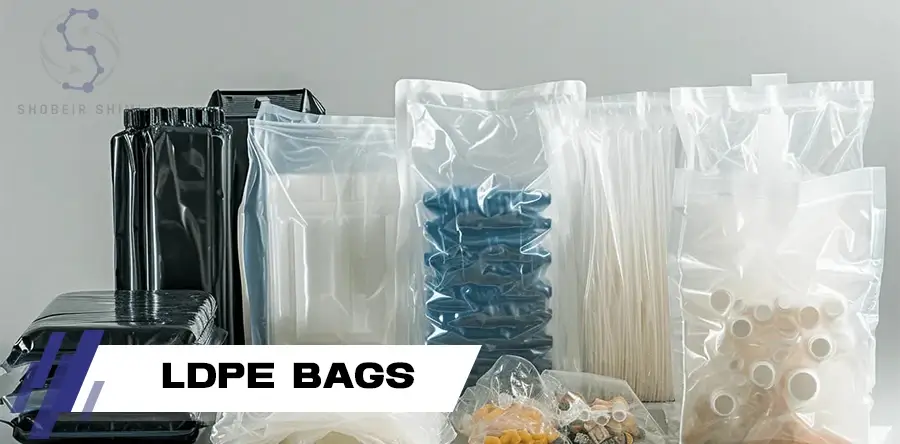
- Rigid vs. Flexible: It is crucial to distinguish between forms. Most curbside programs prioritize Recycling HDPE bottles, detergent jugs, and crates. However, Flexible HDPE films (like grocery bags, air pillows, or plastic wraps) usually require drop-off at specific store collection points. If put in curbside bins, these films can tangle in and jam recycling machinery, causing costly shutdowns.
- Lifecycle: Recycled HDPE (rHDPE) is highly sought after. It is cleaned, shredded, and melted down to make non-food items like plastic lumber, outdoor furniture, trash cans, and non-food pipes. This “closed-loop” potential makes it a valuable material in the circular economy.
By strictly recycling HDPE, we prevent it from entering the environment where it would otherwise turn into microplastics.
HDPE vs. Other Plastics: A Safety Comparison
To understand where HDPE stands in the hierarchy of plastic safety, it helps to compare it with other common polymers:
HDPE vs. PVC (Polyvinyl Chloride)
- PVC (Plastic #3): Often called the “poison plastic,” PVC requires chlorine for production and releases dioxins (highly toxic carcinogens) during manufacturing or if burned. It also frequently contains phthalates to make it flexible.
- HDPE: Contains only carbon and hydrogen. It does not contain chlorine, does not produce dioxins, and does not require phthalates. It is significantly safer than PVC for human health and easier to recycle.
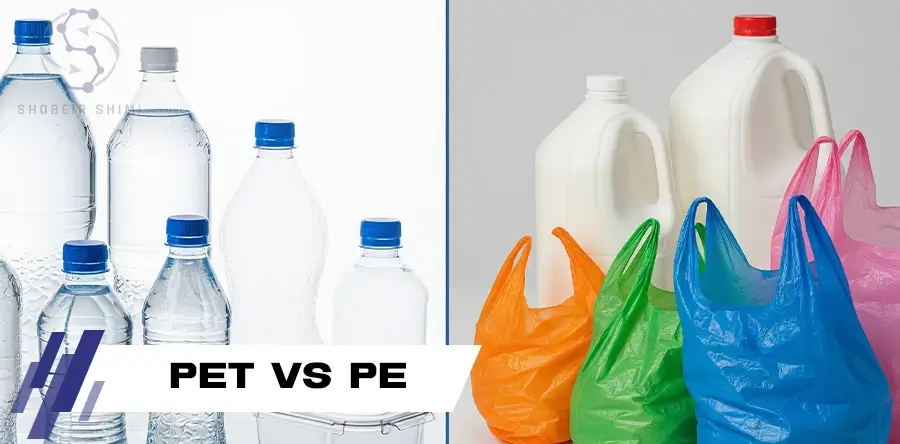
HDPE vs. PET (Polyethylene Terephthalate)
- PET (Plastic #1): Commonly used for clear water and soda bottles. While generally safe, PET is slightly more porous and intended primarily for single-use applications as it can harbor bacteria if reused improperly.
- HDPE: More opaque, durable, and chemically resistant. It is better suited for reusable containers and long-term storage of chemicals (like bleach or shampoo) that would degrade other plastics.
Conclusion
Is High-Density Polyethylene a toxic material? In its final form and under normal usage conditions, HDPE is not toxic. It is a safe, chemically inert material that does not endanger human health through touch, skin contact, or food packaging. Its simple chemical structure avoids the need for the dangerous additives found in other plastics.
However, safety and sustainability depend entirely on responsible use and disposal:
- Avoid Extreme Heat: Do not burn HDPE or use it for high-temperature cooking to avoid releasing irritating fumes.
- Recycle Responsibly: The greatest risk HDPE poses is environmental. Because it breaks down into microplastics rather than biodegrading, it must never be littered. Always place rigid HDPE products in the recycling bin (Code #2) and take flexible films to drop-off centers.
By understanding these properties, consumers can use HDPE products safely while minimizing their environmental footprint.




You contradict yourself. Under “Environmental considerations” your artical states. “As it breaks down, HDPE forms microplastics that infiltrate ecosystems, posing indirect risks to human health through contamination of food chains and the release of harmful chemicals during improper disposal or incineration.”
You then go on to say it doesn’t form micro plastics. Please decide which is correct and then correct the article. Thank you.
Hi Scott, thank you for your sharp eye and for holding this content to a high standard. You were absolutely right—there was a contradiction in the text regarding microplastics.
I have updated the article to remove the conflicting statement. It now clearly explains that while HDPE does not biodegrade (like organic matter), it does physically fragment into microplastics in the environment. I appreciate you taking the time to point this out so we could fix it immediately.
I am very happy to read this. This is the type of manual that needs to be given and not the accidental misinformation that is at the other blogs. Appreciate your sharing this best doc.
I see something truly interesting about your website so I saved to bookmarks.
I agree with Scott, The information in this article is contradictory. I would appreciate a correction and clarification of this article. Does HPDE become toxic with heat and does it breakdown into micro plastics in the environment?
Also, I just learned that the organic butter that I like to buy has a wrapper coated in HPDE, is that recyclable… I imagine probably not as paper.
Hi there, thank you for your thoughtful questions. You brought up some excellent points, and I have updated the article to clarify them explicitly. To answer your specific concerns:
Heat Toxicity: You are correct. While HDPE is safe at room temperature, it should not be heated above its melting point (~120°C) or burned, as it can release harmful fumes.
Microplastics: I have corrected the text to clearly state that yes, HDPE does break down into microplastics physically (via photodegradation), even though it doesn’t biodegrade biologically.
Butter Wrappers: Regarding the organic butter wrapper coated in HDPE: this is known as “poly-coated paper.” Unfortunately, these are not recyclables in most standard curbside bins because separating the plastic layer from the paper requires specialized equipment. It is generally best to dispose of them in the trash to avoid contaminating the recycling stream.
Thank you for helping me improve the accuracy of this post!