
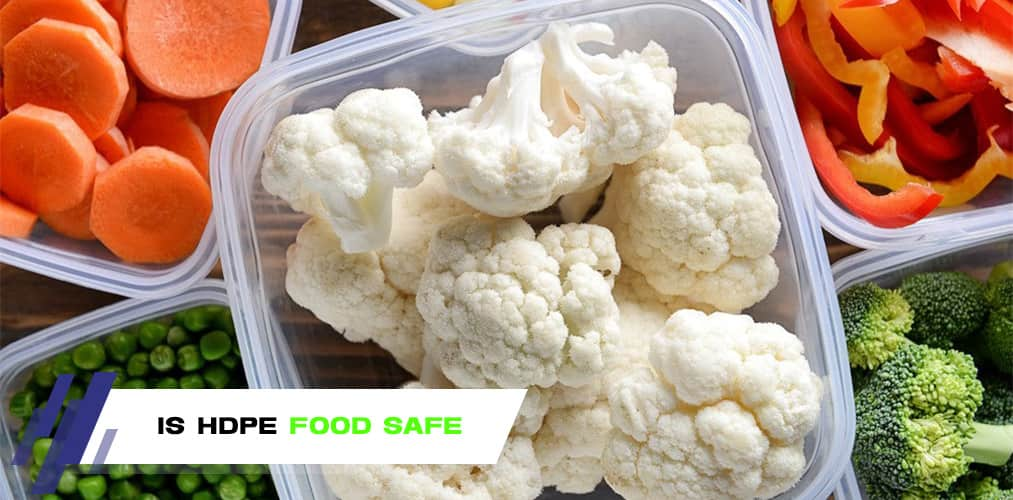
Yes, High-Density Polyethylene (HDPE) is highly food safe. As a non-toxic, BPA-free plastic, it does not leach harmful chemicals into food or liquids. Virgin HDPE is fully FDA-approved and compliant with strict EU food-contact regulations, making it the industry standard for milk jugs, water bottles, and food storage containers.
When selecting packaging and storage materials, manufacturers and consumers share a primary concern: ensuring the plastic is completely safe for consumables. High-density polyethylene is ubiquitous in our daily lives, forming the containers for our dairy products, juices, drinking water, and dry goods.
In this comprehensive guide, we will explore the safety profile of this essential polymer. We will cover the broader polyethylene family, regulatory standards, specific manufacturing grades, and practical everyday use cases to help you make informed decisions about your food packaging and storage needs.
Is Polyethylene Food Safe?
To understand HDPE, we must first look at the broader polyethylene family. Polyethylene is one of the most widely produced plastics in the world, and generally speaking, it is a highly reliable food-safe polymer.
The polyethylene family includes several variations, distinguished by their density and molecular branching:
- HDPE (High-Density Polyethylene): Highly crystalline, rigid, and incredibly strong. Widely used for milk jugs and sturdy food containers.
- LDPE (Low-Density Polyethylene): Highly branched, softer, and flexible. Used for plastic wrap and squeeze bottles.
- LLDPE (Linear Low-Density Polyethylene): Extremely tough and flexible, commonly used for industrial food packaging films.
- UHMWPE (Ultra-High-Molecular-Weight Polyethylene): Extremely tough and wear-resistant, frequently used for commercial food processing equipment like cutting boards and conveyor belts.
All of these variations can be manufactured as food-contact materials, provided they meet strict regulatory guidelines regarding their raw resins and manufacturing processes.
Is LDPE Food Safe?
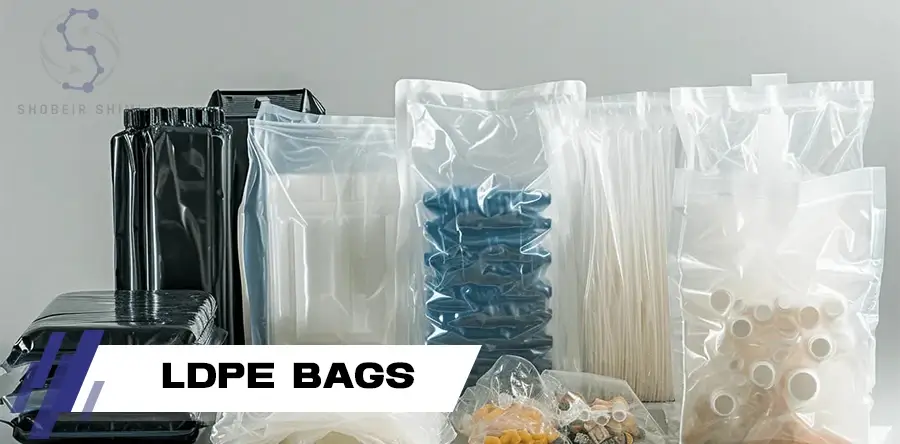
Just like its high-density counterpart, Low-Density Polyethylene (LDPE) is fundamentally safe for food contact. The primary difference between HDPE and LDPE lies in their physical properties rather than their chemical safety.
LDPE has a highly branched molecular structure, which makes it much softer, more flexible, and highly transparent compared to the rigid, opaque nature of high-density resins. Because of its flexibility, LDPE is the preferred food-grade plastic for products like bread bags, flexible lids, squeeze bottles for condiments, and cling films.
Comparison: HDPE vs. LDPE
| Feature | High-Density Polyethylene (HDPE) | Low-Density Polyethylene (LDPE) |
|---|---|---|
| Recycling Code | #2 | #4 |
| Flexibility | Rigid and stiff | Soft and highly flexible |
| Durability | High tensile strength, impact resistant | High resilience, puncture-resistant |
| Common Food Uses | Milk jugs, water gallons, rigid containers | Squeeze bottles, bread bags, film wrap |
| Food-Grade Status | Yes (when manufactured to standards) | Yes (when manufactured to standards) |
What Does HDPE #2 Mean?
You will often see this plastic identified by a recycling code—a triangle of chasing arrows with a number inside. If you are wondering whether an ‘HDPE 2’ container is food safe, you are likely looking at this specific recycling symbol.
Recycling code #2 simply indicates that the product’s chemical composition is High-Density Polyethylene. Because of its stability, it is one of the most widely accepted materials at municipal recycling facilities.
However, it is crucial to understand the difference between a resin identification code and a food-grade certification. While the #2 stamp confirms the type of plastic, it does not automatically guarantee it is food grade. For example, a bottle of household bleach and a gallon of milk may both carry the #2 symbol, but only the milk jug was manufactured using food-contact approved processes. Always ensure that any #2 plastic you use for edibles was explicitly designed for that purpose.
Which HDPE Grades Are Food Safe?
It is a common misconception that all high-density plastic is identical. In reality, food safety depends heavily on the specific HDPE grades and the manufacturing processes used.
For a material to be considered food grade, it must be produced using FDA-compliant, virgin resin—or strictly decontaminated and certified recycled resin—in a facility that adheres to stringent hygiene and quality control standards.
Common grades include:
- Blow Molding Grades: Optimized for creating hollow objects. These are the food-grade HDPE resins used to manufacture milk jugs, juice bottles, and bulk water containers. (Read our guide on HDPE blow molding)
- Injection Molding Grades: Designed to flow easily into complex molds. Used for manufacturing reusable food storage containers, butter tubs, and bottle caps. (Discover the benefits of HDPE injection molding)
- Film Grades: Used for creating sturdy grocery bags and food packaging barriers.
- Pipe Grades: Engineered for extreme environmental stress and pressure. While some are NSF-certified for potable water, standard industrial pipe grades are generally not intended for direct food contact.
Regulatory Approval: FDA and EU Standards
The safety of food-contact plastics is strictly governed by international health organizations to ensure consumer protection.
FDA Approval (United States)
The U.S. Food and Drug Administration (FDA) thoroughly regulates plastics that come into contact with consumables. Virgin HDPE is explicitly approved for direct contact with food. When it comes to recycled material, the FDA evaluates it on a case-by-case basis. Recycled resins can receive a “Letter of Non-Objection” (LNO) for food use only if the recycler can prove their decontamination process removes any potential impurities.
EFSA and EU Regulation 10/2011 (Europe)
In Europe, the European Food Safety Authority (EFSA) enforces EU Regulation 10/2011, which dictates strict specific migration limits (SML) for plastics. This material passes these stringent tests easily due to its stable molecular structure, ensuring that it does not transfer unsafe levels of chemical compounds into food.
Properties That Make HDPE Ideal for Food Use
Beyond basic regulatory compliance, this material possesses inherent physical and chemical properties that make it an industry favorite:
- Non-Leaching and Chemically Inert: Under normal conditions, it does not react with highly acidic foods (like tomato sauce or citrus juices) or alkaline substances, preventing the transfer of plasticizers or chemicals into your diet.
- Non-Absorbent: Its non-porous surface prevents the absorption of moisture, bacteria, and odors, making it hygienic and easy to sanitize.
- Exceptional Strength-to-Weight Ratio: A container weighing less than two ounces can easily hold a gallon of liquid (over eight pounds) without rupturing, ensuring products remain sealed and uncontaminated during transport.
Safety Concerns: BPA, PFAS, and Toxicity
Consumers are rightfully cautious about the chemical makeup of their food storage solutions.
Is it BPA-Free?
Yes. Bisphenol-A (BPA) is a chemical historically used in the manufacturing of polycarbonate plastics and epoxy resins. High-density polyethylene is manufactured without the use of BPA, phthalates, or heavy metals, making it inherently non-toxic.
Concerns About PFAS in Fluorinated Containers
While standard HDPE is entirely safe, recent environmental studies have raised concerns regarding fluorinated containers. Fluorination is a specialized barrier treatment applied to some plastics to prevent aggressive industrial chemicals (like pesticides or fuel) from permeating the container walls.
Research indicates that fluorinated containers can leach per- and polyfluoroalkyl substances (PFAS)—often called “forever chemicals”—into liquids. It is critical to note that fluorination is almost exclusively used for industrial and agrochemical packaging, not for standard food packaging. When sourcing packaging for consumables, always ensure your supplier provides certified, non-fluorinated food-grade containers.
Practical Everyday Use: Storage, Microwaves, and Dishwashers
How does this plastic perform in daily household or commercial kitchen environments?
- Food Storage & Drinking Water: It is exceptionally safe for long-term food storage and potable water. It will not impart a plastic taste to your water. (See our article: Is HDPE safe for drinking water?)
- Freezer Use: Excellent. It retains its impact strength at low temperatures and will not easily crack or become brittle in deep freezes.
- Dishwasher Use: Generally safe. However, because its melting point is relatively low compared to other plastics, it is highly recommended to place these items on the top rack of the dishwasher, away from the exposed heating elements at the bottom.
- Microwave Safety: Not recommended. While it can technically withstand short bursts, it has a much lower heat tolerance than Polypropylene (PP). Subjecting it to the microwave, especially with high-fat or high-sugar foods that get exceptionally hot, can cause the plastic to warp, melt, or blister.
- Boiling Water: It is not recommended for boiling water. It begins to soften significantly at temperatures approaching 212°F (100°C).
Summary Comparison: Common Plastics and Food Safety
| Plastic Type | Recycling Code | Generally Food Safe? | Typical Applications |
|---|---|---|---|
| PET (Polyethylene Terephthalate) | #1 | Yes (Single use recommended) | Soda bottles, water bottles, peanut butter jars |
| HDPE (High-Density Polyethylene) | #2 | Yes | Milk jugs, opaque water bottles, cereal box liners |
| PVC (Polyvinyl Chloride) | #3 | Rarely (Requires specific formulation) | Cling wrap (phased out of food use in many areas) |
| LDPE (Low-Density Polyethylene) | #4 | Yes | Bread bags, squeeze bottles, freezer bags |
| PP (Polypropylene) | #5 | Yes | Yogurt cups, microwave-safe containers, syrup bottles |
Frequently Asked Questions (FAQ)
- Is HDPE food safe?
Yes. When manufactured as a virgin resin or properly decontaminated recycled resin, it is widely recognized by global health authorities as safe for direct food contact.
- Is HDPE 2 food safe?
Yes, the recycling code #2 indicates High-Density Polyethylene. As long as the specific container was manufactured for food use (and hasn’t previously stored household chemicals), it is safe.
- Is polyethylene food safe?
Yes. The polyethylene family, which includes high-density (HDPE) and low-density (LDPE) variations, is one of the safest and most commonly used families of plastics for food and beverage packaging.
- Is PE plastic food safe?
Yes, PE (polyethylene) plastic is generally food safe, provided it is a designated food-contact grade.
- Is HDPE BPA free?
Yes. It does not contain Bisphenol-A (BPA), phthalates, or other harmful endocrine disruptors.
- Is HDPE non-toxic?
Yes. Its stable molecular structure makes it biologically inert and non-toxic, meaning it does not pose a health risk during normal use.
- Is HDPE microwave safe?
It is not ideal for the microwave. While short bursts may not destroy the container, high heat (especially from oily foods) can cause it to warp or melt. Polypropylene (PP, Code #5) is a better choice for microwaving.
- Is HDPE freezer safe?
Yes. It performs exceptionally well in cold environments and resists cracking in the freezer.
- Is HDPE dishwasher safe?
Yes, but it should be washed on the top rack to keep it away from the high-heat drying elements at the base of most dishwashers.
- Is HDPE safe for boiling water?
No. Its softening point is too close to the temperature of boiling water (212°F / 100°C). Pouring boiling water into it may cause the container to deform or fail.
- Can HDPE be reused?
Yes, it is highly durable and designed to be washed and reused multiple times without degrading or leaching chemicals, making it excellent for reusable food prep containers.
- What plastics are FDA approved for food contact?
The most common FDA-approved plastics for food contact include HDPE (#2), LDPE (#4), Polypropylene (#5), and PET (#1).
Conclusion
When it comes to selecting a material for storing, packaging, or transporting consumables, High-Density Polyethylene remains a top-tier choice.
To summarize:
- It is FDA and EU approved for direct food contact.
- It is chemically stable, meaning it will not leach toxins, BPA, or phthalates into your diet.
- It is highly durable, offering excellent impact resistance and freezer safety.
- Not all #2 plastics are identical; ensure you are always using containers explicitly manufactured and designated as food grade.
- Avoid extreme heat such as boiling water or heavy microwave use to prevent warping.
By understanding the properties and proper use cases of this versatile polymer, consumers and businesses alike can confidently rely on it for safe, effective, and hygienic food storage.




Leave A Comment