

The smell of gasoline is unmistakable, and so are its dangers. Storing fuel is not a matter of convenience; it’s a matter of critical safety. Improper storage of gasoline and other petrochemicals can lead to catastrophic failures, including costly leaks that contaminate soil, unexpected explosions from vapor buildup, and persistent fire hazards. When dealing with volatile chemicals like gasoline, the container you use is your single most important piece of safety equipment.
While old-fashioned steel “jerry cans” are iconic, they come with a critical flaw: rust. In the modern world of material science, one material has risen as the clear solution for safe, long-term, and compliant fuel storage: High-Density Polyethylene (HDPE). This robust petrochemical plastic is engineered to provide superior insulation, unparalleled chemical resistance, and a completely rust-proof design.
However, a critical distinction is often missed, leading to dangerous assumptions. The #2 plastic symbol on a milk jug and the one on a certified gas can both signify HDPE, but they are not the same product. This guide will explore the essential material science that separates standard HDPE from fuel-grade HDPE, navigate the complex web of gas and oil storage regulations, and explain why choosing the right plastic is the only safe, legal, and responsible choice for storing volatile fuels.
The Essential Material Science: Fuel-Grade HDPE vs. Standard #2 Plastic
A common question is, “What plastic can hold gasoline?” The answer is simple but critical: only fuel-grade, surface-treated High-Density Polyethylene (HDPE).
This is the most common and dangerous misconception in fuel storage, and it stems from a misunderstanding of HDPE Grades. A consumer might see a thick-walled HDPE drum used for detergents or a simple milk jug and assume, “It’s all #2 plastic; it’s strong enough.” This assumption is wrong, and understanding why is key to preventing a disaster. The difference isn’t just thickness; it’s a fundamental, invisible treatment at the molecular level.
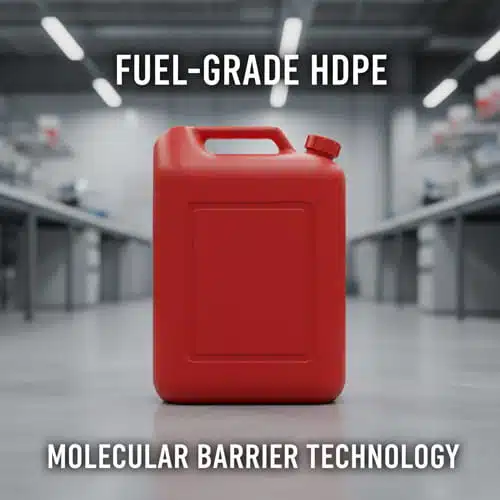
The Critical Role of Surface Treatment
Gasoline is a powerful solvent. It is designed to dissolve oils and residues, and it will do the same to its container if not properly checked. Standard, untreated HDPE—the kind used for milk, water, or detergent—is a polymer chain that gasoline molecules can, over time, wiggle through.
This process is called permeation. While you may not see a liquid leak, the container will “sweat” flammable vapors. This is why a standard plastic container filled with gas will make an entire garage stink of fuel. That odor isn’t just unpleasant; it’s an invisible, explosive cloud waiting for an ignition source.
To combat this, true fuel-grade HDPE containers undergo a specialized process, most commonly fluorination.
- What is Fluorination? In this process, the plastic container is exposed to fluorine gas. This gas causes a chemical reaction that bonds fluorine atoms to the surface of the polyethylene.
- Why Does it Matter? This barrier permanently prevents the fuel from permeating the plastic. It stops the “sweat odor,” prevents the flammable vapors from escaping, and, just as importantly, stops the fuel from softening and degrading the container’s structure over time.
- The Result: The barrier permanently prevents the fuel from permeating the plastic. It stops the “sweat odor,” prevents the flammable vapors from escaping, and, just as importantly, stops the fuel from softening and degrading the container’s structure over time.
A milk jug, an oil container, or a standard chemical bottle lacks this treatment. Filling one with gasoline will cause it to soften, swell, and eventually degrade, leading to a high risk of a sudden leak or rupture.
Furthermore, the challenge is compounded by modern fuel blends. E10 gasoline, which contains 10% ethanol, is notoriously problematic. Ethanol is hygroscopic, meaning it attracts and absorbs water from the atmosphere. This water content can phase-separate within the container, leading to corrosion (in metal cans) and creating an environment where microbes can grow. A proper, surface-treated HDPE container provides a superior seal against humid air, minimizing water absorption and protecting the fuel’s integrity.
Rust-Resistance and Volatile Containment
The most obvious advantage petrochemical plastics have over traditional steel cans is their complete immunity to rust. Rust is not a cosmetic issue; it is a structural failure in progress.
- Corrosion Leaks: Steel containers, especially those stored in damp sheds or garages, will inevitably rust. This corrosion, often starting from the inside out due to water content in the fuel, creates pinhole leaks that are difficult to detect until it’s too late.
- Contamination: Rust flakes off and contaminates the fuel, which can then be transferred to your vehicle or equipment, clogging fuel lines and carburetors.
Beyond rust, HDPE offers another crucial, passive safety feature: insulation. Plastic is a poor conductor of heat compared to metal.
On a hot day, a metal gas can sitting in the sun will rapidly transfer that heat to the gasoline inside. This increases the fuel’s temperature, causing it to expand and increasing its volatility (the rate at which it turns into vapor). This escalates the internal pressure, straining the can’s seams and gaskets and creating a much higher risk of vapor release when you open it.
An HDPE container insulates the contents. It shields the gas from the worst of the environmental heat, keeping the fuel at a more stable temperature. This minimizes thermal expansion and keeps the volatile chemicals safely contained, reducing pressure buildup and the risk of a dangerous vapor-fueled flash.

Navigating Gas & Oil Storage Regulations and Safety (The Compliance Checklist)
Understanding the science is only half the battle. Storing flammable liquids is a regulated activity for a reason. Failure to comply with safety codes, often set by organizations like the NFPA (National Fire Protection Association) and OSHA (Occupational Safety and Health Administration), can not only result in fines but also void insurance policies if a fire occurs.
Here is an actionable checklist based on common, mandatory regulations for handling fuel at a residential or small business level.
Mandatory Guidelines for Gasoline Storage
Gasoline is the most volatile and dangerous common fuel. Its regulations are the strictest.
How Long Can You Store Petrol in a Plastic Container?
This common question has two answers: the lifespan of the container and the lifespan of the fuel inside it.
- Container Lifespan: How long can HDPE hold gasoline? A high-quality, compliant HDPE fuel can (like one that is UL or ASTM certified) is built to last for many years, potentially a decade or more, if stored properly. The primary enemy of all plastics is long-term, direct UV light (sunlight), which can eventually make the plastic brittle. When stored in a dark, cool, and ventilated shed or garage, the container itself will far outlast the fuel. The surface treatment does not wear off or degrade.
- Fuel Lifespan: This is the more critical time limit. Gasoline is not a long-term stable product.
- Without a fuel stabilizer: Gasoline (especially E10) begins to degrade in as little as 3 to 6 months. It suffers from oxidation, and the ethanol absorbs water, leading to “phase separation.”
- With a fuel stabilizer: Adding a quality stabilizer when the fuel is fresh can extend its life significantly, often up to 2 or 3 years.
This is why monitoring your stored fuel is a critical safety practice.
Requirements for Safe Oil Storage
Motor oil, heating oil, and hydraulic fluids are less volatile than gasoline, so the primary risk is not explosion, but leakage. Oil is a potent environmental pollutant, and cleanup is notoriously difficult and expensive.
Authoritative sources, like the U.S. Department of Transportation’s 49 CFR (Code of Federal Regulations), provide specific rules for the transport and bulk storage of hazardous materials, further cementing the need for compliant containers.
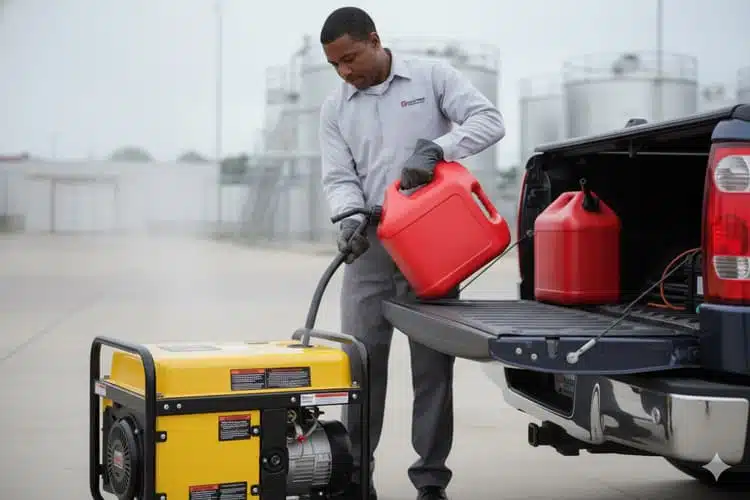
Advanced Applications: Beyond the Standard Gas Can
The same material science that makes HDPE the best choice for a 5-gallon gas can also makes it a critical component in large-scale industrial fuel storage.
Industrial-Grade Storage Solutions
In industrial, agricultural, and fleet settings, fuel is stored in much larger volumes. Here, petrochemical plastics like HDPE are used to create systems with maximum safety and longevity, most notably in double-wall construction.
A large, modern, above-ground fuel tank often consists of two layers:
- The Inner Layer (Primary Tank): This is a liquid-tight tank made from heavy-duty, chemical-resistant plastic, often a specialized HDPE resin. This layer does the essential work of containing the fuel and resisting its corrosive properties.
- The Outer Layer (Secondary Containment): This layer, often made of steel, provides structural support, impact protection, and security against theft or vandalism. It also acts as the immediate secondary containment, catching any potential leaks from the primary tank.
This dual-layer system, combining the chemical resistance of oil plastics with the physical strength of steel, provides the ultimate protection and is the standard for modern, environmentally-sound fuel depots.
HDPE and Alternative Materials for Industrial Use
Beyond fuel tanks, HDPE sheet is a versatile product used throughout industrial facilities. Its high chemical resistance and durability make it ideal for lining workbenches, creating chemical splash guards, or fabricating custom sumps and secondary containment basins.
While HDPE is the champion for fuel storage, a full-service plastics supplier carries a range of materials tailored for other specific industrial and marine applications. For instance:
- Polycarbonate: Used for machine guards and sight glasses where extreme impact strength and clarity are needed.
- Acrylic: A clearer, more UV-resistant alternative to polycarbonate for non-impact applications like instrument panels or sight windows.
- ABS: A rigid, tough plastic used for equipment housings, control panels, and custom-formed parts.
- PETG: A food-safe and chemical-resistant plastic often used for guards and containers in food processing or medical applications.
Each plastic has a distinct profile, but the principle remains the same: choosing the right material for the specific chemical and physical demands of the application.
Conclusion: Your Safest Bet is Always the Right Material
When it comes to the storage of volatile chemicals, there is no room for error. The difference between a simple #2 HDPE plastic container and a certified, surface-treated fuel-grade HDPE container is the difference between a minor inconvenience and a potential catastrophe.
The science is clear: only specialized petrochemical plastics, treated to be impermeable to fuel, can be trusted. The regulations are strict: only approved, tested, and properly labeled containers are legal. From rust-proof durability to thermal insulation, HDPE is engineered to handle the unique demands of gasoline and oil storage.
By understanding the material science and adhering to safety regulations, you protect your property, your family, and the environment. Using an approved, surface-treated HDPE container isn’t just the best practice—it’s the only non-negotiable choice for safe and legal compliance.




Leave A Comment